Adenoid Removal Surgery in Minnesota
Adenoidectomy (Adenoid Removal Procedure)
What Is an Adenoidectomy (Adenoid Removal Procedure)?
An adenoidectomy is a surgical procedure to remove the adenoids, lymphatic tissue located high in the back of the nose. Like the tonsils, adenoids are part of the immune system and are more prominent in childhood. In some children, enlarged or chronically infected adenoids can lead to ongoing discomfort.
When adenoids begin to affect a child’s breathing or lead to repeated infections, removal may be recommended by an ENT.
Benefits of Adenoid Removal Surgery
For children who meet clinical criteria, adenoid removal can help them breathe more easily and reduce the frequency of life-disrupting infections.
Potential benefits include:
- Improved nasal airflow
- Fewer recurrent ear or sinus infections
- Reduced mouth breathing, leading to less sleep disruption
- A decreased need for repeated antibiotics
Your ENT specialist will be able to review everything with you to determine whether this treatment is the best fit for your particular needs.
What Symptoms Does the Adenoidectomy Procedure Help Treat?
Adenoidectomy is most commonly recommended for children with chronically enlarged or infected adenoids. In these cases, symptoms often persist despite medical treatment and are impacting daily life through disruptions to breathing and sleep.
Children who may benefit from adenoid removal often experience ongoing nasal congestion, mouth breathing, snoring or recurrent ear infections. In some cases, enlarged adenoids contribute to fluid buildup behind the eardrum or frequent sinus infections. An ENT evaluation helps determine whether the adenoids are the underlying cause of these concerns.
What Should I Expect During the Adenoid Removal Procedure?
An adenoidectomy is typically performed as an outpatient procedure under general anesthesia, with most patients going home the same day. In some cases, an overnight stay may be recommended for observation. After surgery, patients wake up in a recovery area where they are monitored before discharge.
The adenoids are removed through the mouth, so there are no external incisions and no stitches that need to be removed. The area heals on its own.
Recovery usually takes about a week or less. During that time, families can expect:
- A brief recovery period at home with mild throat discomfort or nasal congestion
- Encouragement to drink plenty of fluids
- A return to normal eating within hours, starting with soft foods such as mashed potatoes, pudding or gelatin
- Limiting rough play or contact sports for about a week
Your ENT team will provide detailed post-operative instructions and review what is normal during healing, along with when to contact the office with questions.
Meet the Team
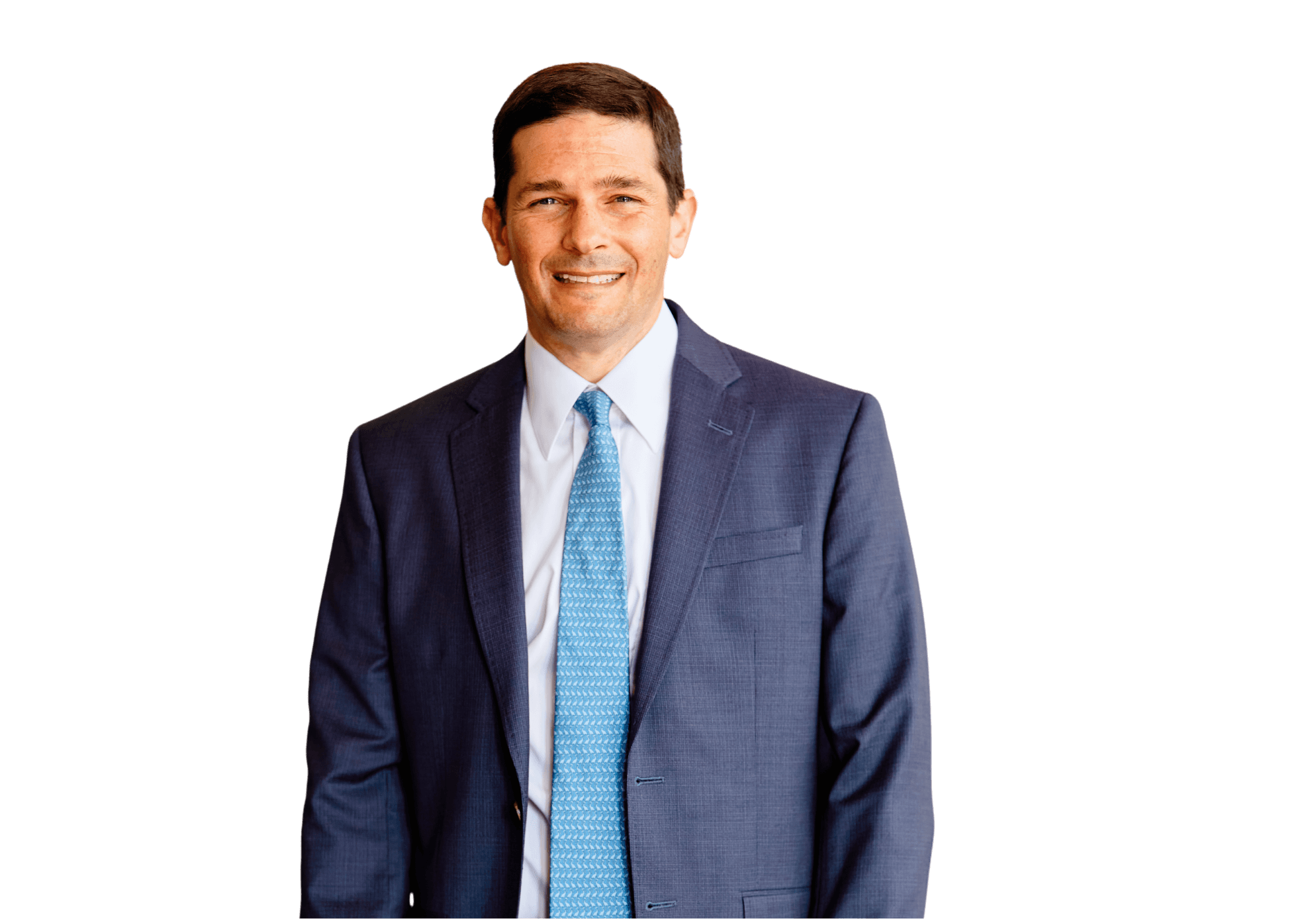
Dr. Geoffrey Getnick
Board certified in Otolaryngology – Head and Neck Surgery, Dr. Getnick has consistently been named a “Top Doctor” by Minnesota Monthly and by Mpls.St.Paul Magazine since he joined Renew in 2006.

Dr. Justin Wudel
A dual board-certified Otolaryngologist and fellowship-trained Facial Plastic and Reconstructive Surgeon, Dr. Wudel has expertise in cosmetic and reconstructive surgery of the face.

Dr. Tyler Mingo
Dr. Mingo has expertise in the full breadth of Otolaryngology and Head and Neck Surgery with a special interest in Laryngology, the medical and surgical treatment of speech and swallow disorders.